


In the race for online customers, speed is everything. Study after study confirms that even a one-second delay in page load time can dramatically reduce conversions, increase bounce rates and damage your search rankings. For Indian businesses competing online, a fast website is not a technical nicety — it is a direct driver of revenue. In this guide we explore exactly why website speed matters so much and how to ensure your site is fast enough to win.
The High Cost of a Slow Website
A slow website is one of the most expensive problems a business can have, precisely because the cost is invisible. You never see the customers who leave because your page took too long to load — they simply vanish to a faster competitor. Yet research consistently shows that conversions drop sharply with every additional second of delay.
This effect is amplified in India, where many users browse on mobile networks with variable speeds. A site that feels acceptable on a fast office connection may be painfully slow for a large portion of your actual audience, quietly costing you enquiries and sales every single day.
How Speed Affects Conversions
The relationship between speed and conversions is direct and well-documented. Faster sites keep more visitors engaged, reduce frustration and make it easier for people to complete the actions you want, whether that is making an enquiry, signing up or completing a purchase. Even small improvements in speed can produce meaningful increases in conversion rates.
Speed also shapes perception. A fast, responsive website feels professional, trustworthy and well-run, while a slow one signals neglect and unreliability. In the crucial first moments of a visit, this impression directly influences whether a visitor decides to do business with you.
Speed and Search Engine Rankings
Beyond conversions, website speed is a confirmed ranking factor for search engines. Google’s Core Web Vitals measure aspects of speed and user experience, and faster sites are rewarded with higher rankings. This means a slow website hurts you twice — fewer visitors find you, and fewer of those who do convert.
Investing in speed therefore delivers a compounding benefit: better rankings bring more organic traffic, and faster performance converts more of that traffic into customers. Few investments in your website offer such a clear, dual return.
What Slows Websites Down
Understanding the common causes of slow performance is the first step to fixing them. Most speed problems stem from a handful of recurring issues that are entirely solvable with the right expertise.
Here are the most frequent culprits behind slow websites.
- Large, unoptimised images that take too long to load
- Bloated code and excessive third-party scripts
- Slow, low-quality web hosting
- Lack of caching and content delivery networks
- Too many plugins or unnecessary features
- Poorly optimised mobile performance

Proven Ways to Speed Up Your Site
The good news is that website speed is almost always improvable. Optimising images, minifying code, enabling caching, using a content delivery network and choosing quality hosting can collectively transform a sluggish site into a fast one. These improvements often deliver immediate, measurable gains in both user experience and conversions.
A professional performance audit identifies exactly what is slowing your site down and prioritises the fixes that will deliver the biggest impact. This targeted approach ensures your investment produces the greatest possible improvement in speed and results.
Mobile Speed Deserves Special Attention
With most Indian internet traffic coming from mobile devices, mobile speed deserves particular focus. Mobile users are often on slower connections and have even less patience for delays. A site that is fast on desktop but slow on mobile is failing the majority of its audience.
Optimising specifically for mobile — through responsive design, lightweight assets and mobile-first performance practices — ensures you deliver an excellent experience to the visitors most likely to become customers. This mobile focus is no longer optional in today’s market.
Speed as an Ongoing Discipline
Website speed is not a one-time fix but an ongoing discipline. As you add content, features and functionality over time, performance can gradually degrade if it is not actively maintained. Regular monitoring and optimisation keep your site fast as it grows and evolves.
Treating speed as a continuous priority rather than an afterthought ensures your website remains a competitive advantage rather than a liability. The businesses that consistently deliver fast experiences earn more trust, better rankings and more customers over the long term.
The Hidden Business Impact of Speed
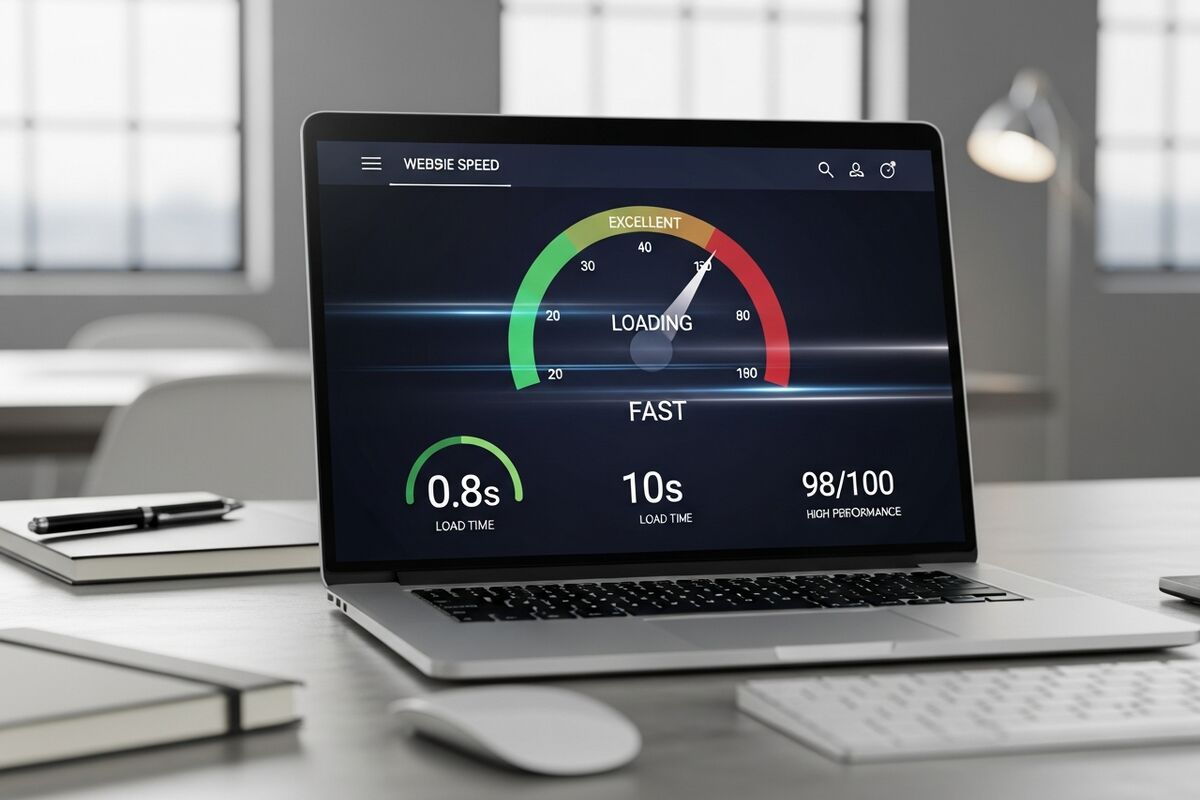
The impact of website speed extends far beyond the technical realm into nearly every aspect of your business performance. A faster website improves not only conversions and rankings but also customer satisfaction, brand perception and even the effectiveness of your advertising spend. When you send paid traffic to a slow page, you waste a significant portion of your advertising budget on visitors who leave before the page even loads, quietly inflating your true cost of acquisition.
Speed also influences how customers perceive the quality and reliability of your entire business. A fast, responsive website creates an impression of professionalism and competence, subtly reassuring customers that you are a serious, well-run organisation worthy of their trust and their money. Conversely, a sluggish site plants seeds of doubt that can undermine even the most compelling offer or product.
When you add up the combined effect of lost conversions, lower rankings, wasted ad spend and damaged perception, the true cost of a slow website becomes enormous. This is precisely why leading businesses treat performance as a strategic priority rather than a technical afterthought, recognising that speed is one of the highest-leverage investments they can make in their online success.
Choosing the Right Foundation for Speed
Achieving and maintaining a fast website starts with building on the right foundation. The choices made early in a website project — the quality of the hosting, the efficiency of the code, the structure of the site and the approach to images and assets — have an enormous and lasting impact on performance. A site built with speed in mind from the outset will always outperform one where speed is bolted on as an afterthought.
Quality hosting is particularly important and often underestimated. Cheap, overcrowded hosting can cripple even a well-built website, while quality hosting with adequate resources and modern infrastructure provides the responsive foundation a fast site requires. Pairing good hosting with clean, efficient code and a content delivery network ensures your site loads quickly for visitors wherever they are located.
Working with experienced developers who understand performance ensures these foundational decisions are made correctly from the start. This proactive approach is far more effective and economical than trying to rescue a slow site later, and it ensures your website delivers the fast, smooth experience that wins and keeps customers from the very first day it goes live.
Monitoring and Maintaining Performance Over Time
Achieving a fast website is only the beginning; maintaining that speed as your site grows requires ongoing attention and monitoring. Over time, new content, added features, third-party tools and accumulating data can all gradually erode performance if left unchecked. Regular performance monitoring catches these issues early, before they begin to cost you customers and rankings.
Establishing a routine of measuring your site’s speed, identifying any new bottlenecks and addressing them promptly keeps your website performing at its best as it evolves. This proactive maintenance is far more effective than waiting until performance problems become severe enough to noticeably impact your business and revenue.
By treating performance as a continuous priority rather than a one-time achievement, you ensure your website remains a lasting competitive advantage. The businesses that consistently deliver fast, smooth experiences build stronger trust, earn better rankings and convert more visitors into customers, reaping the rewards of their commitment to speed year after year.
Key Takeaways
- Even a one-second delay can sharply reduce conversions
- Speed affects both user experience and search rankings
- Most slowdowns come from images, code, hosting and scripts
- Mobile speed is critical for the majority of Indian users
- Maintaining speed is an ongoing discipline, not a one-time fix
Frequently Asked Questions
How fast should my website load?
As a general guide, aim for your pages to load in under two to three seconds. Faster is always better, especially on mobile connections.
Can a slow website really hurt my sales?
Absolutely. Slower load times increase bounce rates and reduce conversions, directly costing you enquiries and revenue every day.
How can I tell if my website is too slow?
A professional speed audit using industry-standard tools reveals your load times, identifies the causes of any slowness and provides a clear plan to improve them.
Partner With The Creative Minds
At The Creative Minds, we help ambitious brands dream big, think big and achieve big. Whether you need a high-converting website, a results-driven marketing engine or a complete digital transformation, our team turns strategy into measurable growth. Get in touch for a free consultation and let us build something remarkable together.